★★★★★
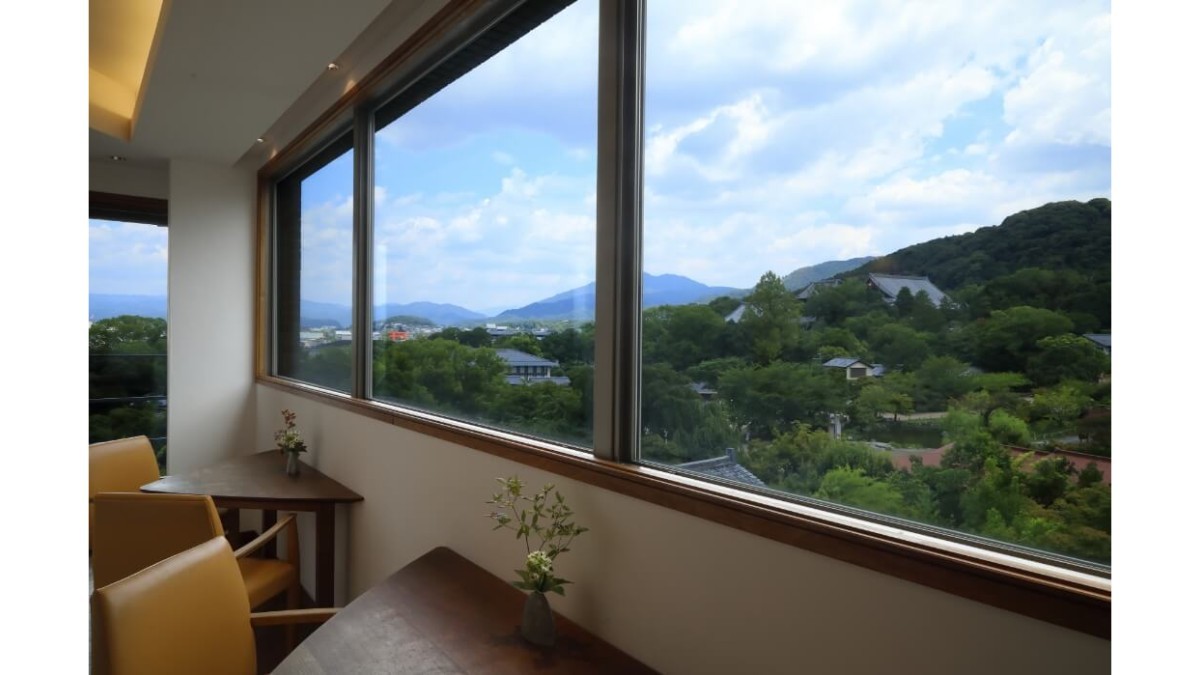
We did not stay at this hotel, but walked past while visiting the area and the Maruyama Park.
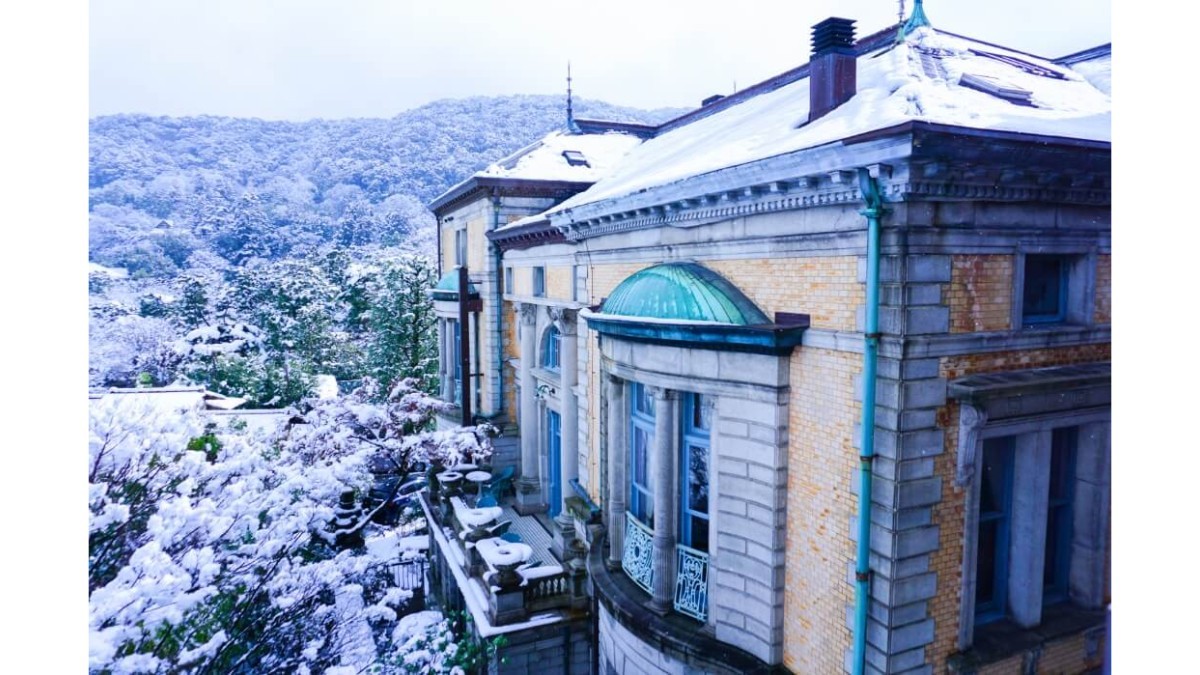
Hotel Chourakukan (Chorakukan) is a historic luxury boutique hotel and café located within Maruyama Park, just a short walk from the eastern gate of Yasaka Shrine. Often referred to as the "Tobacco King's Palace," it is one of Kyoto’s most significant examples of Meiji-era Western-style architecture.
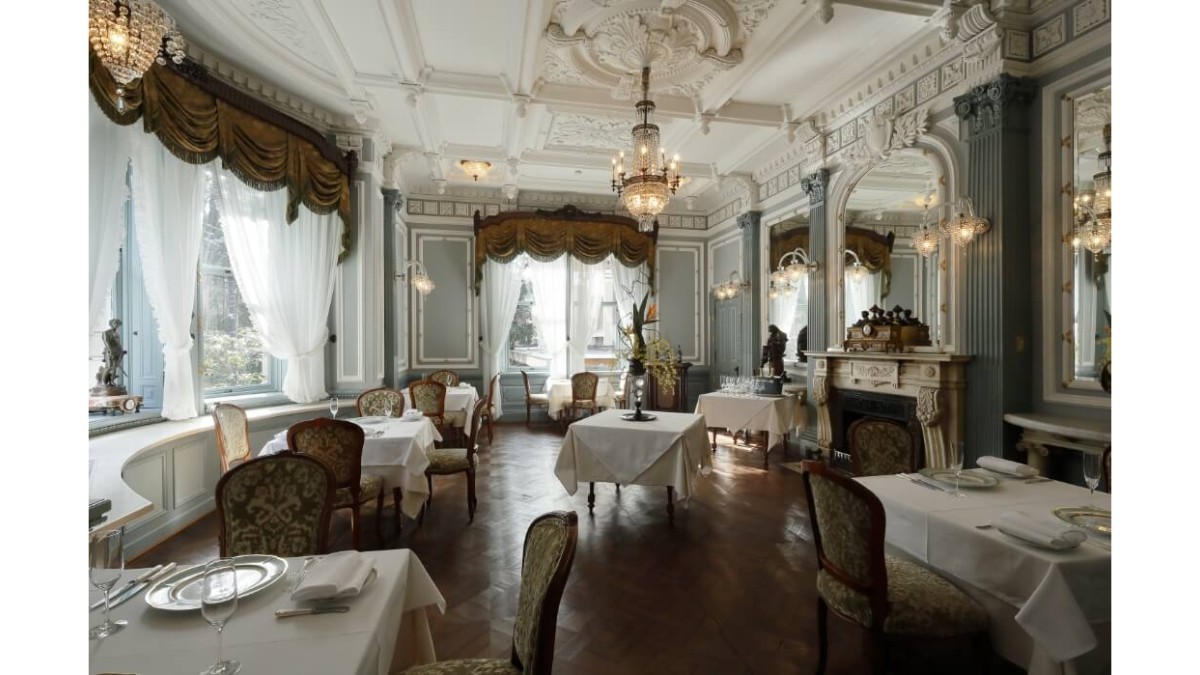
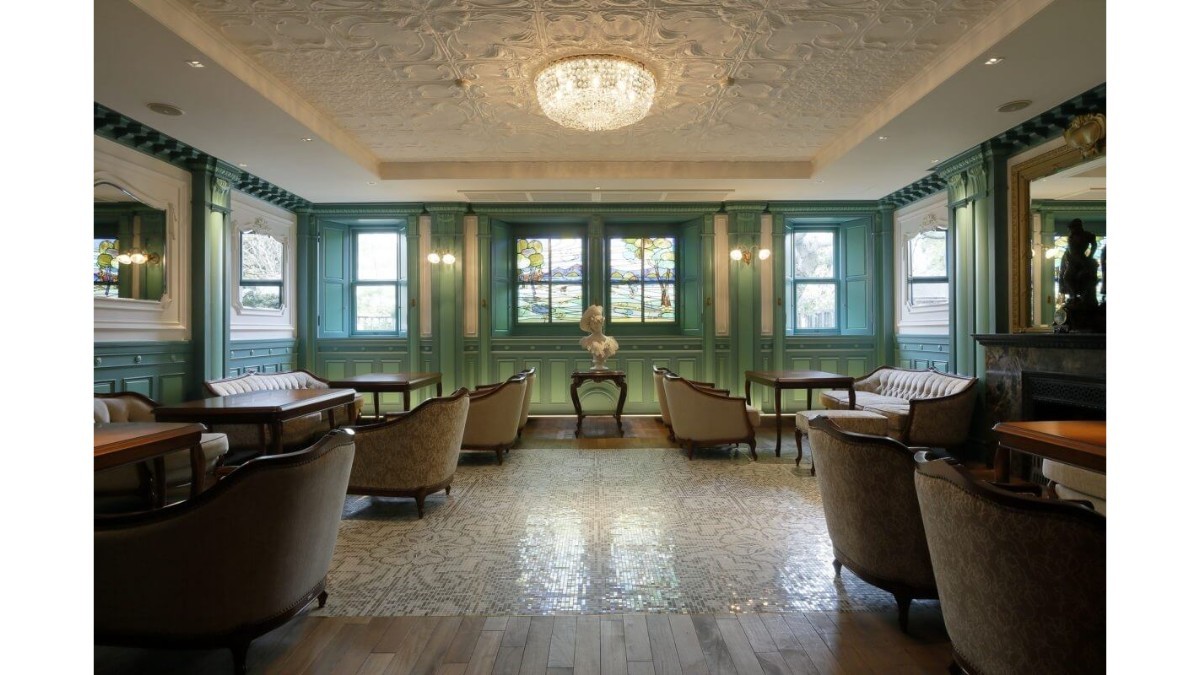
The building is renowned for its eclectic and opulent interiors, featuring a mix of Rococo, Neoclassical, and Art Nouveau styles. Today, it serves as an exclusive hotel with only a handful of guest rooms, a high-end French restaurant, and a series of elegant tea rooms where guests can enjoy afternoon tea in a setting that feels frozen in the early 20th century.
The Tobacco King (1909): The villa was built in 1909 by Murai Kichibei, a wealthy entrepreneur known as the "Tobacco King" of Japan. He spared no expense, importing materials and artistic influences from across Europe to create a residence that could host international dignitaries.
A Prestigious Name: The name Chorakukan (meaning "The House of Eternal Pleasure") was bestowed upon the villa by Hirobumi Ito, Japan’s first Prime Minister, who was a frequent guest and admirer of the estate.
Imperial and Global Guests: Over the decades, the building has hosted royalty, foreign diplomats, and historical figures, including John D. Rockefeller during his visits to Kyoto. It served as a vital site for international diplomacy and high-society gatherings.
Cultural Designation: In 1986, the building was designated as a Tangible Cultural Property by the City of Kyoto. This status ensures that its original architectural details—including its intricate wood carvings, marble fireplaces, and stained glass—are preserved in their original state.
Modern Life: While it has transitioned from a private villa to a commercial hotel and café, it maintains an atmosphere of "old-world" exclusivity. The interior remains strictly preserved, with guests often required to remove their shoes or follow specific etiquette to protect the historic floors and furnishings.