LuxuryHotels.best

The Collection · Kyoto

Luxury hotels
in Kyoto

15 hand-picked stays in Kyoto, independently reviewed.

15

Properties

The destination

Why stay at a
luxury hotel in
Kyoto

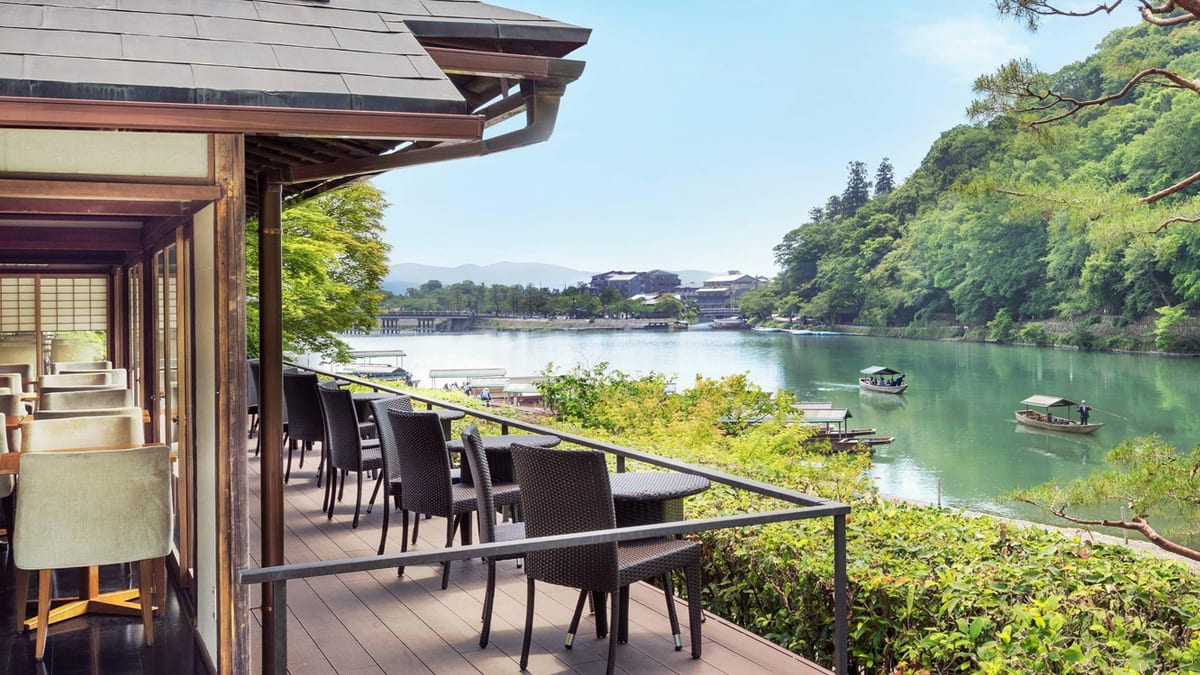
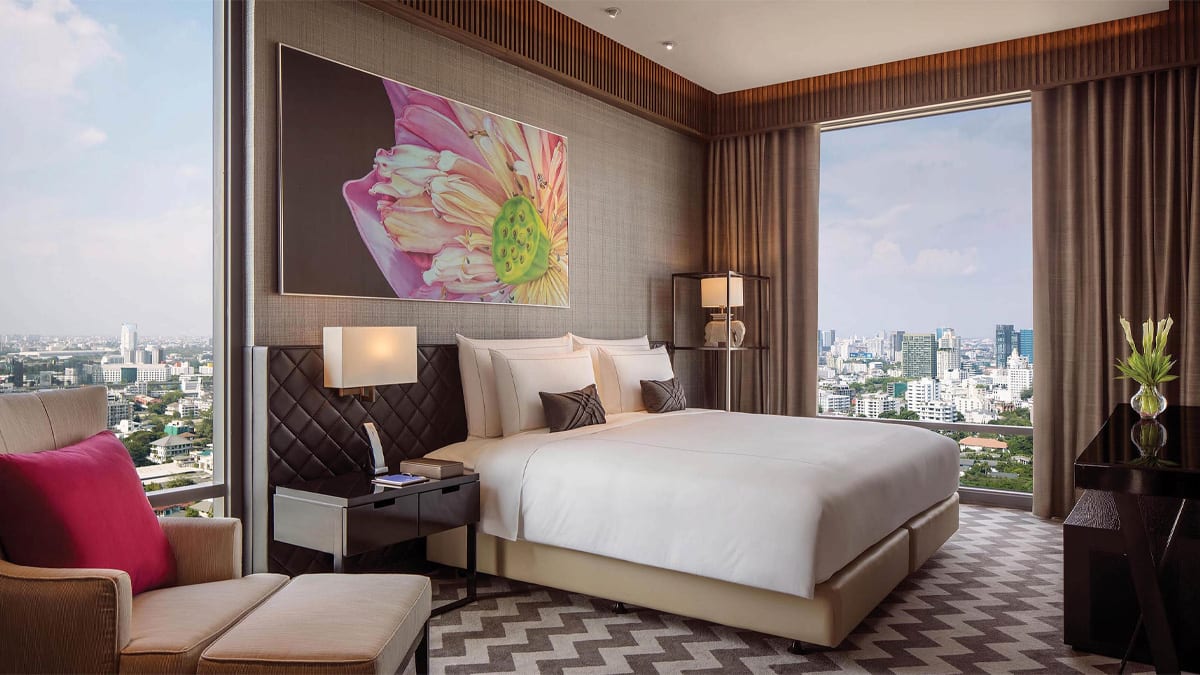
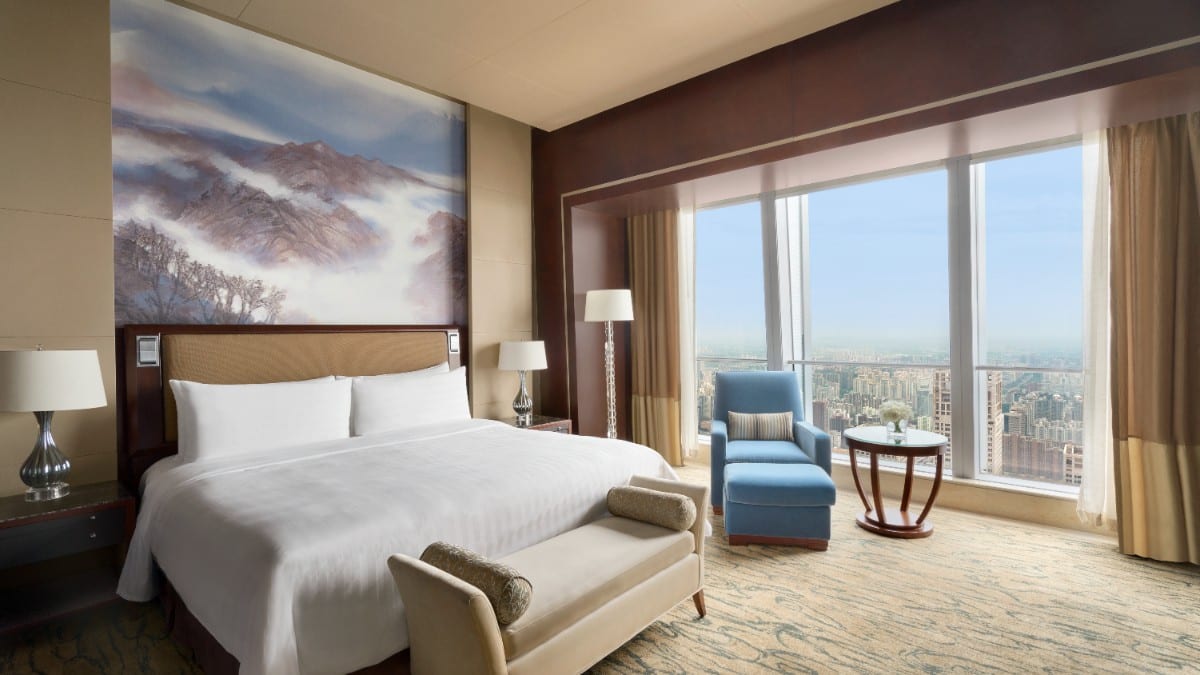
Kyoto is Japan's cultural capital and the country's best destination for a deliberate, contemplative luxury stay. The hotel scene combines a handful of internationally recognized properties (the Ritz-Carlton, Aman Kyoto, Park Hyatt, Four Seasons) with an unusual depth of high-end ryokan — traditional Japanese inns where the experience is the room, the dinner, and the staff, not the amenities.

The major Western luxury hotels cluster on the eastern side of the Kamogawa River near Higashiyama (Park Hyatt, Four Seasons) or in Nakagyō downtown (Ritz-Carlton, the Mitsui). Aman Kyoto sits at the northern edge of the city in 80 acres of mountain forest — a different category of stay, closer to a forest retreat than an urban hotel. For a ryokan experience, the Hiiragiya, Tawaraya, and Yoshikawa are the three best-known traditional inns; Hoshinoya Kyoto and Suiran combine ryokan service with international hotel infrastructure.

Visit in late March–early April (sakura) or November (autumn foliage, called kōyō) — both are spectacular and require booking eight months to a year in advance. Mid-October and mid-May are quieter shoulder windows with most of the visual reward. Summer (July–August) is genuinely uncomfortable; January and early February are cold, clear, and the best value period.

15 of 15 hotels
Marufukuro
★★★★★
Garrya Nijo Castle Kyoto
★★★★★
Hotel Chourakukan
★★★★★
Soraniwa Terrace Kyoto Bettei
★★★★★
Six Senses Kyoto
★★★★★
The Ritz-Carlton, Kyoto
★★★★★
THE HIRAMATSU KYOTO
★★★★★
The Hotel Seiryu Kyoto Kiyomizu
★★★★★
Hotel the Mitsui Kyoto
★★★★★
Park Hyatt Kyoto
★★★★★
GOOD NATURE HOTEL KYOTO
★★★★★
ROKU KYOTO, LXR Hotels & Resorts_
★★★★★
Banyan Tree Higashiyama Kyoto
★★★★★
Suiran, a Luxury Collection Hotel, Kyoto
★★★★★
MUNI KYOTO
★★★★★

Editor's curation

The best Kyoto hotels — by purpose

Our editors group every hotel into the trips it best serves. Pick the one that fits yours.

Best for design & character

Hotels where the architecture, materials, and rooms feel considered — not just luxe by amenity checklist.

Best for families

Connecting rooms, kids clubs, pools that work for both adults and small children.

Best for spa & wellness

Serious treatment programmes, indoor pools, and the kind of locker rooms where a guest could spend the whole afternoon.

The city guide

Where to go in Kyoto

Kyoto rewards visitors who skip the famous mornings — the queues at Fushimi Inari, the crush at Kinkaku-ji — and replace them with quieter ones. Most of what makes Kyoto extraordinary is small and easily missed: a teahouse down an alley, a tea ceremony for two, a temple at 7am with no one else there. The list below assumes you're willing to walk and to get up early.

01

Restaurant

Kichisen

Shimogamo$$$$

Three Michelin stars; traditional kaiseki at its peak

Yoshimi Tanigawa's kaiseki ryōri restaurant has held three Michelin stars since 2010 and is among the most respected traditional kitchens in Japan. Eleven seats. Lunch (about half the dinner price) is available with sufficient notice. Reservations require a Japanese hotel concierge or a serious dining-club intermediary.

  • Three Michelin stars
  • 11 seats
  • Lunch is the value play
View on map →Visit website ↗5 Shimogamo Morimoto-chō, Sakyō

02

Restaurant

Hyōtei

Higashiyama$$$$

Three Michelin stars; the breakfast worth getting up for

Hyōtei has served kaiseki since 1837 from a teahouse beside Nanzen-ji. The famous Hyōtei breakfast (asagayu in summer, uzura-gayu in winter) is one of Kyoto's most distinctive meals — served in a private tatami room overlooking the moss garden, finished by 10am. Costs less than dinner and is, for some, more memorable.

  • Three Michelin stars
  • Breakfast set is the order
  • Tatami garden room
View on map →Visit website ↗35 Kusakawa-chō, Sakyō

03

Attraction

Ryōan-ji at Dawn

Northwest Kyoto$$$$

The most famous rock garden in Japan, briefly empty

The 15th-century Zen rock garden at Ryōan-ji — fifteen stones arranged so no single vantage point reveals all of them — is overwhelmed by tour groups from 9am. Arrive when the gate opens at 8am, sit on the wooden veranda alone for thirty minutes, and you'll understand why this is a singular place. The temple opens earlier in summer (7:30am).

  • Open at 8am — go then
  • 15th-century garden
  • 30 mins of silence
View on map →Visit website ↗13 Ryōanji Goryōnoshitachō, Ukyō

04

Attraction

Philosopher's Path

Higashiyama$$$$

A two-mile walk along a canal through the eastern hills

A canal-side path named for the philosopher Nishida Kitarō, who walked it daily on his way to teach at Kyoto University. Two miles of cherry trees, small bridges, and temples on either side — Ginkaku-ji at the north end, Eikan-dō and Nanzen-ji at the south. Best in early April (sakura) and mid-November (kōyō), but rewarding any season.

  • Cherry blossoms in April
  • Autumn foliage in November
  • 2 miles, 1.5 hrs
View on map →Tetsugaku-no-michi, Sakyō

05

Attraction

Sagano Bamboo Grove at 6am

Arashiyama$$$$

The iconic photo, before 10,000 other people

By 9am the Sagano bamboo path is shoulder-to-shoulder with tour groups taking the same photograph. By 6am — and the gate is never officially closed — it's empty. The walk through Tenryū-ji's gardens immediately after they open (8:30am) caps a remarkable Kyoto morning. Take the JR Sagano line; about 15 minutes from Kyoto Station.

  • Empty at 6am
  • Pair with Tenryū-ji at 8:30
  • JR Sagano line
View on map →Sagatenryūji Susukinobabachō, Ukyō

06

Attraction

MOMA Kyoto

Okazaki$$$$

Postwar Japanese art in a Kuma-designed wing

The Museum of Modern Art Kyoto (MOMAK) holds one of the best collections of postwar Japanese painting and ceramics in the country — Tomimoto Kenkichi pottery, Yamamoto Baiitsu paintings, Shōji Hamada folk craft. Less crowded than the Tokyo equivalents and adjacent to the Heian Shrine and Kyoto Botanical Garden for a quiet afternoon.

  • Quiet alternative to Tokyo museums
  • Pair with Heian Shrine
  • 1.5 hrs
View on map →Visit website ↗Okazaki Enshōji-chō, Sakyō

07

Attraction

Nishijin Textile Center

Nishijin$$$$

Kyoto's silk weaving tradition, in a working district

Nishijin has been Kyoto's weaving district since the 15th century — the kimono and obi worn at the Imperial Court came from these blocks. The Textile Center hosts daily live weaving demonstrations and short kimono shows. Far less polished than the famous temples, which is the point.

  • Live weaving demonstrations
  • Free entry
  • 1 hour
View on map →Visit website ↗Horikawa-Imadegawa Minami-iru, Kamigyō

08

Experience

Kyō-machiya Tea Ceremony — Camellia Garden

Higashiyama$$$$

A private tea ceremony in a 100-year-old townhouse

Kyoto's famous Camellia tea ceremony hosts small (max 8) and private (just you) sessions in a 100-year-old machiya near Kiyomizu-dera. The tea master explains the philosophy and steps in English, then guides you through making your own matcha. Book the private session a week or two ahead.

  • Machiya setting
  • Private session option
  • 1 hour
View on map →Visit website ↗Yasaka Tower Backstreet, Higashiyama

09

Bar

Pontochō Alley — After 9pm

Nakagyō$$$$

A 500-meter lantern-lit alley along the Kamo River

Pontochō is one of Kyoto's five hanamachi (geisha districts) and the narrow alley running parallel to the Kamo River is its quietest, most atmospheric strip. Most of the tea houses are not for tourists — but a handful of small bars and izakaya welcome walk-ins. Sit on the kawayuka (river-side platforms) in summer for the best view in the city.

  • Lantern-lit alley
  • Summer kawayuka platforms
  • 9pm–11pm best
View on map →Pontochō, Nakagyō

10

Shop

Ippodō Tea — Main Shop

Nakagyō$$$$

Three hundred years of matcha, one block from the Imperial Palace

Ippodō has been selling Japanese tea on this same street since 1717. The main shop houses a tasting room (Kaboku) where you sit at a low counter, are walked through the difference between matcha grades, and leave with a small canister selected for you. Avoid the smaller branch in the JR station — this is the original.

  • Kaboku tea room inside
  • Original 1717 shop
  • Walk-in OK
View on map →Visit website ↗Teramachi-dōri Nijō-agaru, Nakagyō

Editor's picks · Updated regularly · No paid placements

Good to know

Common questions about Kyoto

The questions our readers actually ask — answered honestly.

Which is the best 5-star hotel in Kyoto?+

It depends on the kind of stay. The Ritz-Carlton Kyoto is the most centrally located and the easiest fit for a first-time visitor — riverfront, beautifully designed, near Pontocho and the geisha districts. Aman Kyoto is the editorial favorite but is 30 minutes from the center, in a forest — extraordinary, but not for those wanting to walk to dinner. The Four Seasons Kyoto with its 800-year-old pond garden is the strongest combination of luxury and traditional setting.

How much does a luxury hotel in Kyoto cost?+

Five-star rooms in Kyoto run $500–$2,200 per night. The Park Hyatt and Hiiragiya start around $700; Ritz-Carlton and Four Seasons sit at $900–$1,400. Aman Kyoto is the most expensive at $2,000+ for standard rooms. Traditional ryokan with dinner-and-breakfast included (the standard format) run $600–$1,500 per person per night, since the meal is part of the experience.

Should I stay at a ryokan or a Western hotel?+

Both, ideally — most repeat visitors split: 2–3 nights at a Western hotel (the Ritz, Four Seasons, or Park Hyatt) for comfort and modern infrastructure, then 1–2 nights at a ryokan like Hiiragiya or Hoshinoya for the cultural experience. A pure ryokan stay is wonderful but the lack of in-room desk space, the early dinner timing, and the floor-level bedding work better for travelers who want it as a chapter rather than the whole trip.

When's the best time to visit Kyoto?+

Late March to early April for cherry blossoms; late November for autumn foliage. Both are the canonical Kyoto experiences and require booking a year out for the named hotels. May, June (just before rainy season), and October are quieter shoulder windows that still get most of the visual reward. July and August are uncomfortably hot and humid; January and February are dry, clear, and offer the best value of any month.

How do I book a Kyoto ryokan?+

The three classic addresses (Hiiragiya, Tawaraya, Yoshikawa) are most reliably booked through your destination hotel concierge if you're staying at a Western property — they have direct relationships and can navigate the booking conventions (which often happen by phone, in Japanese, and prefer repeat customers). Hoshinoya Kyoto and Suiran (Marriott-managed) have standard international online booking and are easier first-time choices.

Is Kyoto family-friendly for luxury travel?+

Western-brand hotels (Ritz, Four Seasons, Park Hyatt) are well set up for families and offer connecting rooms. Traditional ryokan less so — the format involves communal dining, traditional bathing, and quiet meals that work better for adults and older children. The Ritz-Carlton Kyoto specifically runs children's tea ceremony classes and has the largest family-suite category among the major hotels.

Also worth considering

If you like Kyoto

All destinations →

Editorial

T

Edited by Tor Lindberg

Founding editor

First published
Last reviewed

We refresh ratings and prices monthly; full editorial review at least twice a year.

How we choose

Every hotel on this list is cross-checked across Google, Booking.com, Tripadvisor, Agoda and Hotels.com — plus first-hand traveler accounts on Reddit, Instagram, and TikTok. We screen aggressively for fake or incentivised reviews and weight only verified, recent, substantive guest feedback. We accept no paid placements and no sponsored reviews. When affiliate links earn a small commission, we disclose it; it never influences which hotels appear here.

Read our full methodology →