LuxuryHotels.best

The Collection · Tokyo

Luxury hotels
in Tokyo

15 hand-picked stays in Tokyo, independently reviewed.

15

Properties

The destination

Why stay at a
luxury hotel in
Tokyo

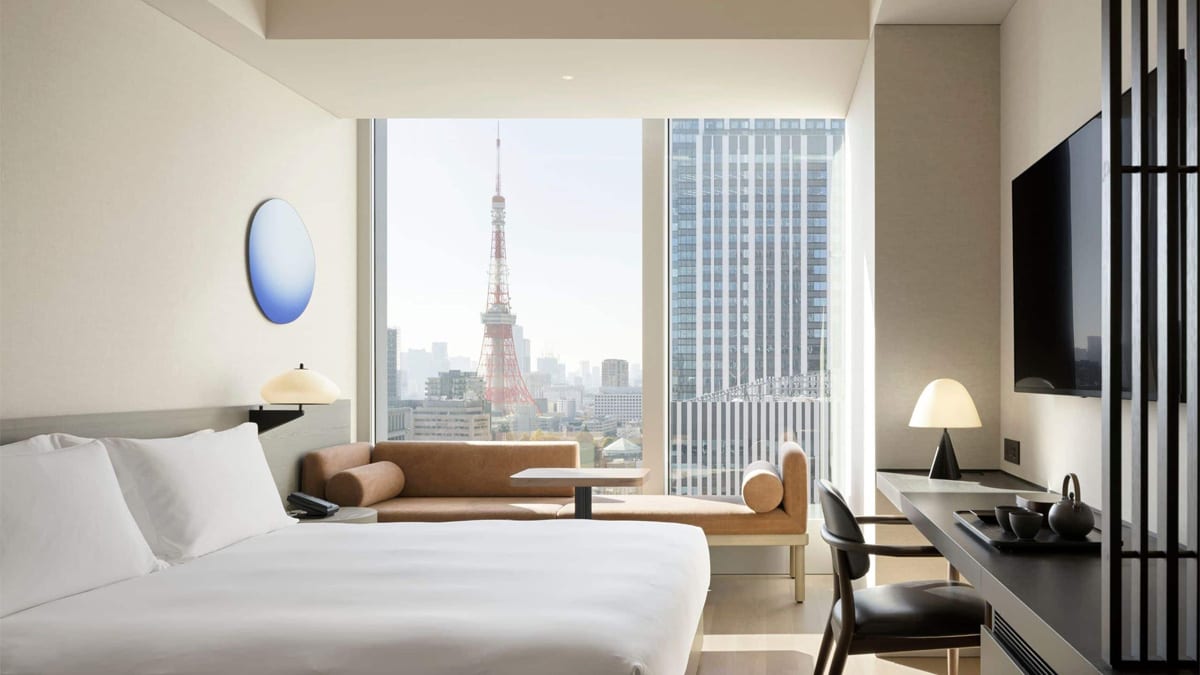
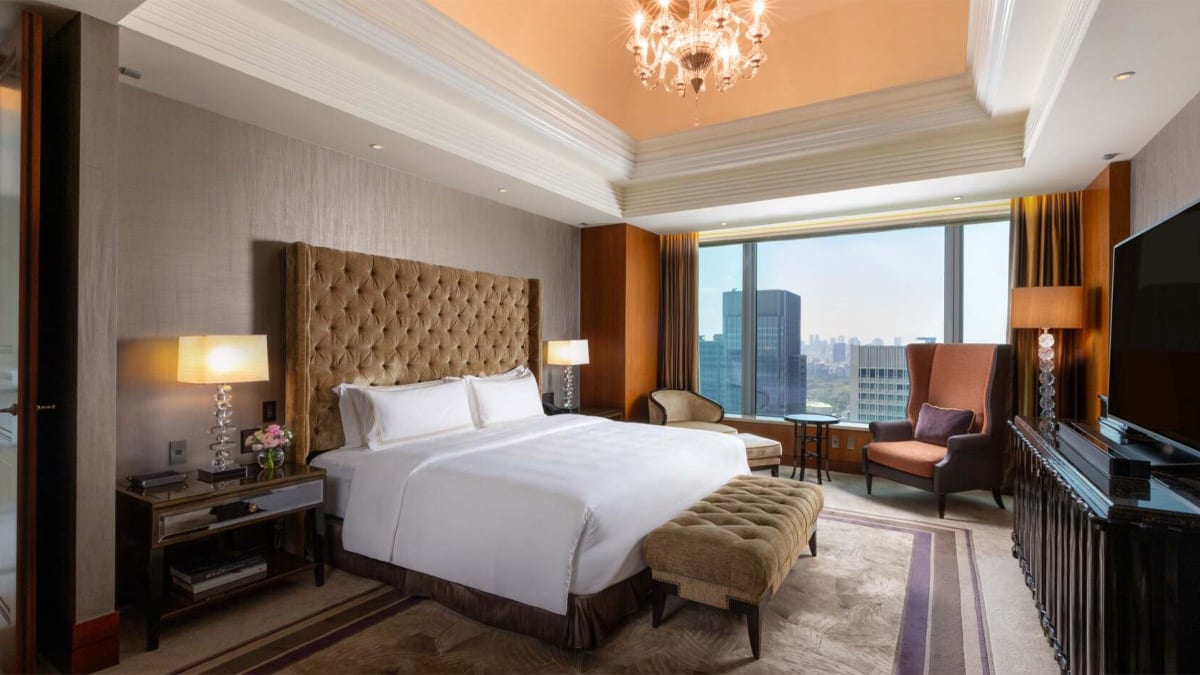
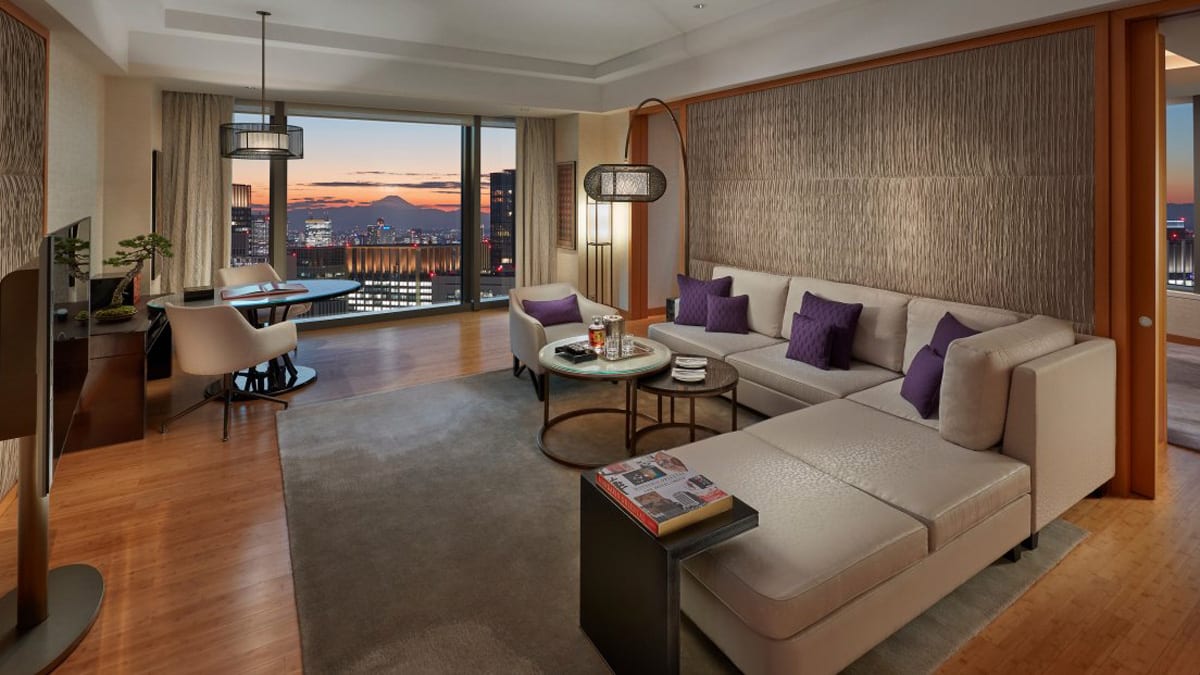
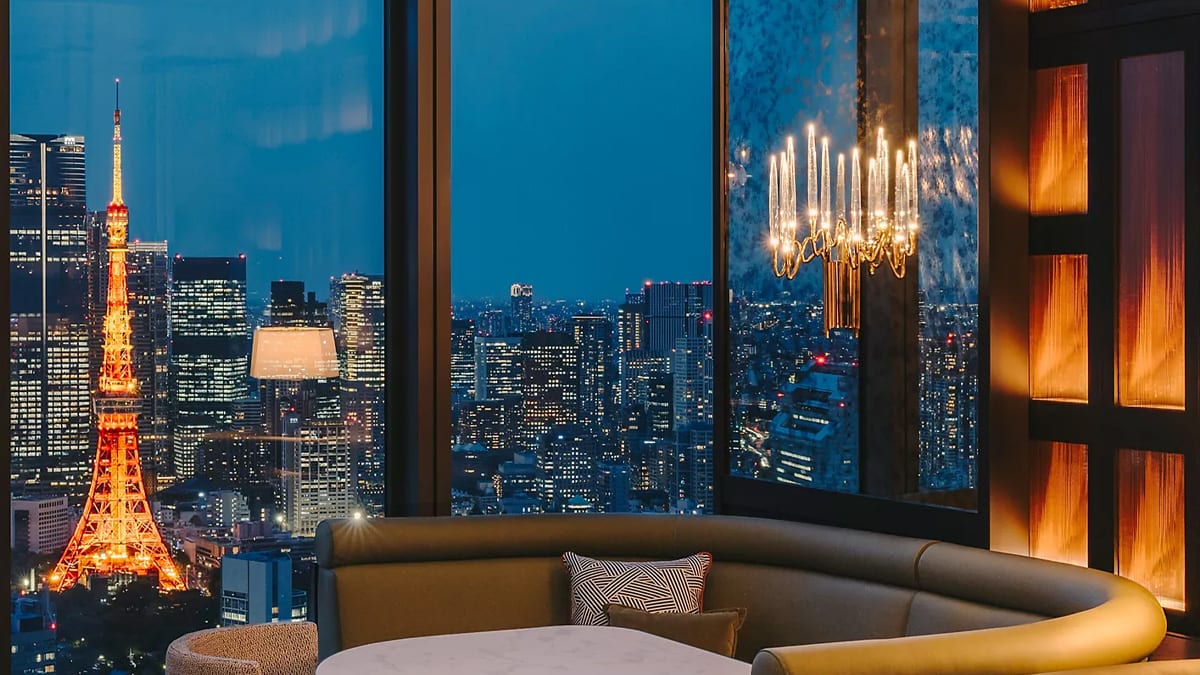
Tokyo's luxury hotel scene has become, in the past decade, possibly the best in the world. Aman Tokyo, the Four Seasons Otemachi, the Mandarin Oriental, the Peninsula, the Bulgari, and the Edition all opened or relocated in the last fifteen years, and the Japanese standard of service — quiet, anticipatory, almost telepathic — has set a benchmark every Western hotel chain has tried to import and few have matched.

The luxury hotels cluster in three districts. Otemachi/Marunouchi (Aman, Four Seasons, Shangri-La) is the financial heart of the city, with views of the Imperial Palace gardens and walking distance to the Ginza. Roppongi (Ritz-Carlton, Andaz, the Hyatt) is the international district — taller buildings, more nightlife, more Western-oriented. Shinjuku (Park Hyatt — yes, the Lost in Translation one, still excellent) and Marunouchi (Peninsula) sit at the heart of central Tokyo.

Visit in late March–early April for cherry blossom season (rates spike, plan a year out), May, and October–November. Summer (June–August) is sticky and the rainy season; January is dry, clear, cold, and offers the best value at the same hotels. Reservations at Aman Tokyo, the Four Seasons, and the Park Hyatt should be made 2–3 months out for any preferred floor or room category.

15 of 15 hotels
Bellustar Tokyo, A Pan Pacific Hotel
★★★★★
Hotel Toranomon Hills
★★★★★
Bvlgari Hotel Tokyo
★★★★★
The Prince Gallery Tokyo Kioicho, a Luxury Collection Hotel
★★★★★
The Capitol Hotel Tokyu
★★★★★
Shangri-La Tokyo
★★★★★
Mandarin Oriental, Tokyo
★★★★★
The Peninsula Tokyo
★★★★★
Grand Hyatt Tokyo
★★★★★
Fairmont Tokyo
★★★★★
Mesm Tokyo, Autograph Collection
★★★★★
The Westin Tokyo
★★★★★
Keio Plaza Hotel Tokyo
★★★★★
Janu Tokyo
★★★★★
The Tokyo Edition, Toranomon
★★★★★

Editor's curation

The best Tokyo hotels — by purpose

Our editors group every hotel into the trips it best serves. Pick the one that fits yours.

Best for design & character

Hotels where the architecture, materials, and rooms feel considered — not just luxe by amenity checklist.

Best for honeymoon

Quiet rooms, serious dining, and the kind of service that earns repeat returns — chosen for couples.

Best for families

Connecting rooms, kids clubs, pools that work for both adults and small children.

Best for spa & wellness

Serious treatment programmes, indoor pools, and the kind of locker rooms where a guest could spend the whole afternoon.

Best for business

Conference facilities, fast Wi-Fi, and a central address that puts meetings within a short walk.

The city guide

Where to go in Tokyo

Tokyo is the most accommodating great city in the world for visitors and the most resistant to being understood quickly. A good first trip ignores most of the famous neighborhoods (Shibuya scramble, the maid cafés, the rooftop observation decks) and commits instead to walking — for hours — through one or two quieter districts. The list below is a starting point, not a checklist.

01

Restaurant

Sushi Saito

Roppongi$$$$

Three Michelin stars; impossible to book without a contact

Takashi Saito's eight-seat sushi counter in the Ark Hills South Tower is widely considered the best sushi in Tokyo and therefore the world. He gave up the Michelin stars in 2020 to reduce the foreign-tourist pressure, but the meal has not changed. The only path to a reservation is through your hotel concierge — and even then, weeks or months out.

  • 8-seat counter
  • Hotel concierge essential
  • Lunch easier than dinner
View on map →1-4-5 Roppongi, Minato-ku

02

Restaurant

Den

Jingūmae$$$$

Two Michelin stars; the kaiseki that breaks the rules

Zaiyu Hasegawa runs a kaiseki restaurant where the menu has, at various points, included a Den 'KFC' (a play on Japanese fried chicken) served in a box, and a salad called 'Den-tial' that arrives looking like a forest floor. Two Michelin stars and a place on the World's 50 Best — but the personality is what makes it. Book through the website three months out.

  • Two Michelin stars
  • Playful kaiseki
  • Book 3 months ahead
View on map →Visit website ↗2-3-18 Jingūmae, Shibuya

03

Restaurant

Beige Alain Ducasse Tokyo

Ginza$$$$

Chanel building rooftop, one Michelin star

The 10th floor of the Chanel building in Ginza, in a Peter Marino-designed room of tweed-padded walls. Alain Ducasse's Tokyo outpost serves precise French food (one Michelin star) and is one of the better lunch sets in the city — three courses for about half what the dinner tasting costs.

  • Chanel Ginza building
  • Peter Marino room
  • Lunch set is the play
View on map →Visit website ↗Chanel Bldg 10F, 3-5-3 Ginza

04

Attraction

TeamLab Planets

Toyosu$$$$

The immersive art installation that broke the internet

Both teamLab museums in Tokyo are extraordinary; if forced to pick, Planets (Toyosu) edges out Borderless (Azabudai) for sheer physical immersion — you walk barefoot through knee-deep water, lie on mirrored floors under infinite light, brush past wisteria petals. Book the earliest morning slot online to avoid the school groups.

  • Barefoot through water
  • Book earliest slot online
  • 1.5–2 hours

05

Attraction

Nezu Museum

Minami-Aoyama$$$$

Asian art and a Kuma-designed building hiding a garden

Kengo Kuma redesigned the museum building in 2009: a long bamboo-fronted approach that opens onto a 1930s industrialist's private garden — a hidden pocket of moss, ponds, and tea houses in the middle of Aoyama. The collection of pre-modern Japanese and Chinese art is excellent; the garden is the reason to come. NEZU CAFÉ overlooks it.

  • Hidden garden in central Tokyo
  • Kengo Kuma building
  • Café for lunch
View on map →Visit website ↗6-5-1 Minami-Aoyama, Minato

06

Attraction

Yanaka

Yanaka / Nezu$$$$

The neighborhood that survived the war

One of the few Tokyo districts that escaped both the 1923 earthquake and the WWII firebombings, Yanaka feels like a sepia photograph of pre-war Tokyo — narrow streets, wooden houses, family-run shops, a sprawling cemetery shaded by cherry trees. Walk from Nippori Station through Yanaka Ginza, the unhurried shopping street. Plan an afternoon, not an hour.

  • Pre-war wooden buildings
  • Yanaka Ginza shopping street
  • Half a day
View on map →Yanaka, Taito

07

Bar

Bar High Five

Ginza$$$$

Hidetsugu Ueno's basement bar — possibly the world's best

Down a flight of stairs off Ginza, Bar High Five has no menu — Hidetsugu Ueno asks what you like and builds. The hand-carved ice ball, the white-jacketed precision, the small basement room: this is the Japanese classic-cocktail bar in distilled form. Reservations not taken; arrive at 6pm or after midnight for any chance of a seat.

  • No reservations
  • Arrive at opening
  • No menu — describe what you want
View on map →26 Ginza Polaris Bldg B1, 7-2-14 Ginza

08

Bar

Tomihisa Park

Otemachi$$$$

The Beat Café — Aman's hidden tea room

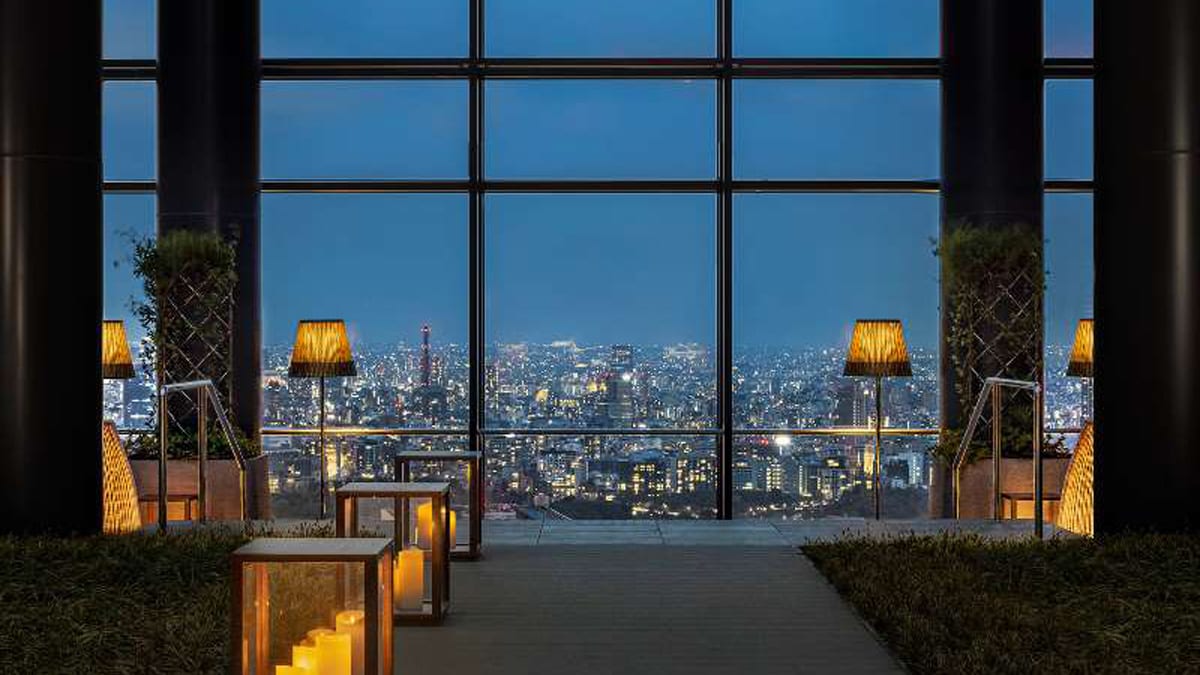
Aman Tokyo's 33rd-floor lounge The Lounge by Aman is open to non-guests for lunch, afternoon tea, and cocktails — a chance to inhabit one of Kerry Hill's most beautiful interiors without paying for a room. Floor-to-ceiling windows look out at the Imperial Palace gardens and, on clear winter mornings, Mt. Fuji. Reserve the afternoon tea.

  • Imperial Palace view
  • Kerry Hill interior
  • Reserve afternoon tea
View on map →Visit website ↗Otemachi Tower 33F, 1-5-6 Otemachi

09

Shop

Tsutaya Books Daikanyama

Daikanyama$$$$

The bookstore that became an architectural pilgrimage

Klein Dytham's three interlocking pavilions in residential Daikanyama redefined what a bookstore could be — three floors, dedicated music and travel sections, a Starbucks that's permitted to be quiet, an entire wing for vintage magazines. Open until midnight. Aged-spirits bar Anjin sits upstairs and is one of the better whisky bars in the city.

  • Open until midnight
  • Anjin whisky bar upstairs
  • Travel section is exceptional
View on map →Visit website ↗17-5 Sarugakucho, Shibuya

10

Shop

Toraya Akasaka

Akasaka$$$$

Five centuries of wagashi, in a Naito-designed flagship

Toraya has been making traditional Japanese sweets since 1500 — they supplied the Imperial Court for generations. The Akasaka flagship is a Hiroshi Naito building from 2018; the basement museum, the ground-floor shop, and the second-floor tea room serving matcha and seasonal wagashi are all worth an hour. Take home a box of the yokan.

  • 500-year-old confectioner
  • Naito-designed flagship
  • Tea room upstairs
View on map →Visit website ↗4-9-22 Akasaka, Minato

Editor's picks · Updated regularly · No paid placements

Good to know

Common questions about Tokyo

The questions our readers actually ask — answered honestly.

Which is the best 5-star hotel in Tokyo?+

Aman Tokyo is the consensus #1 — the Kerry Hill interior, the 33rd-floor public spaces with Imperial Palace views, and a service standard that's almost unsettlingly precise. The Four Seasons Otemachi (opened 2020) is the strongest competitor — newer, brighter, and the Pierre-Yves Rochon design is stunning. The Park Hyatt Shinjuku remains a sentimental favorite for the views and the New York Bar. The Mandarin Oriental Tokyo is the most centrally located.

How much does a luxury hotel in Tokyo cost?+

Five-star rooms in central Tokyo run $700–$2,500 per night. Aman Tokyo starts around $2,200 and is the most expensive in the city. The Four Seasons and Mandarin Oriental run $900–$1,500 for standard rooms. The Peninsula and Park Hyatt sit at $700–$1,200. Suites at all the named hotels start around $3,500 and reach $20,000+ for signature suites.

What's the best neighborhood for a luxury stay in Tokyo?+

Otemachi (Aman, Four Seasons, Shangri-La) is the most central and the quietest — financial district by day, walking distance to the Imperial Palace gardens and Ginza shopping. Marunouchi is essentially the same area with one more layer of restaurants. Roppongi is the international/nightlife district and the choice for trips that involve a lot of late dinners. Avoid Shibuya/Harajuku for a luxury stay — fine for shopping during the day but too chaotic as a base.

When's the best time to visit Tokyo?+

Late March to early April is sakura (cherry blossom) season and the most spectacular time to be in the city — book a year in advance and expect rates 30%+ higher. October and November are the autumn-foliage equivalent and the strongest weather window. May and early June are also excellent. Avoid late June and July (rainy season + heat). January is dry and clear and offers the best value at the same hotels.

Are Tokyo hotels family-friendly?+

Most Western-brand five-stars are well set up — Four Seasons, Mandarin Oriental, Peninsula, Conrad, and Ritz-Carlton all offer connecting rooms and kids' amenities. Aman Tokyo is technically family-friendly but the atmosphere and price point favor couples. Japanese ryokan-style options (Hoshinoya Tokyo, in the same Otemachi tower) are extraordinary for older children who can appreciate the cultural experience but not the right fit for under-8s.

Do Tokyo hotels offer airport transfers?+

Yes, via partnered limousine services. Narita is 90 minutes by car ($200+) — the Narita Express train (60 minutes, $30) is much faster and easier with luggage. Haneda is 30 minutes by car and the easier airport. All luxury hotels arrange transfers from either airport at booking; specify Haneda if you can choose. The hotels all have English-speaking concierge desks that handle the arrangement.

Also worth considering

If you like Tokyo

All destinations →

Editorial

T

Edited by Tor Lindberg

Founding editor

First published
Last reviewed

We refresh ratings and prices monthly; full editorial review at least twice a year.

How we choose

Every hotel on this list is cross-checked across Google, Booking.com, Tripadvisor, Agoda and Hotels.com — plus first-hand traveler accounts on Reddit, Instagram, and TikTok. We screen aggressively for fake or incentivised reviews and weight only verified, recent, substantive guest feedback. We accept no paid placements and no sponsored reviews. When affiliate links earn a small commission, we disclose it; it never influences which hotels appear here.

Read our full methodology →